



GLASS TUBE ROTAMETER
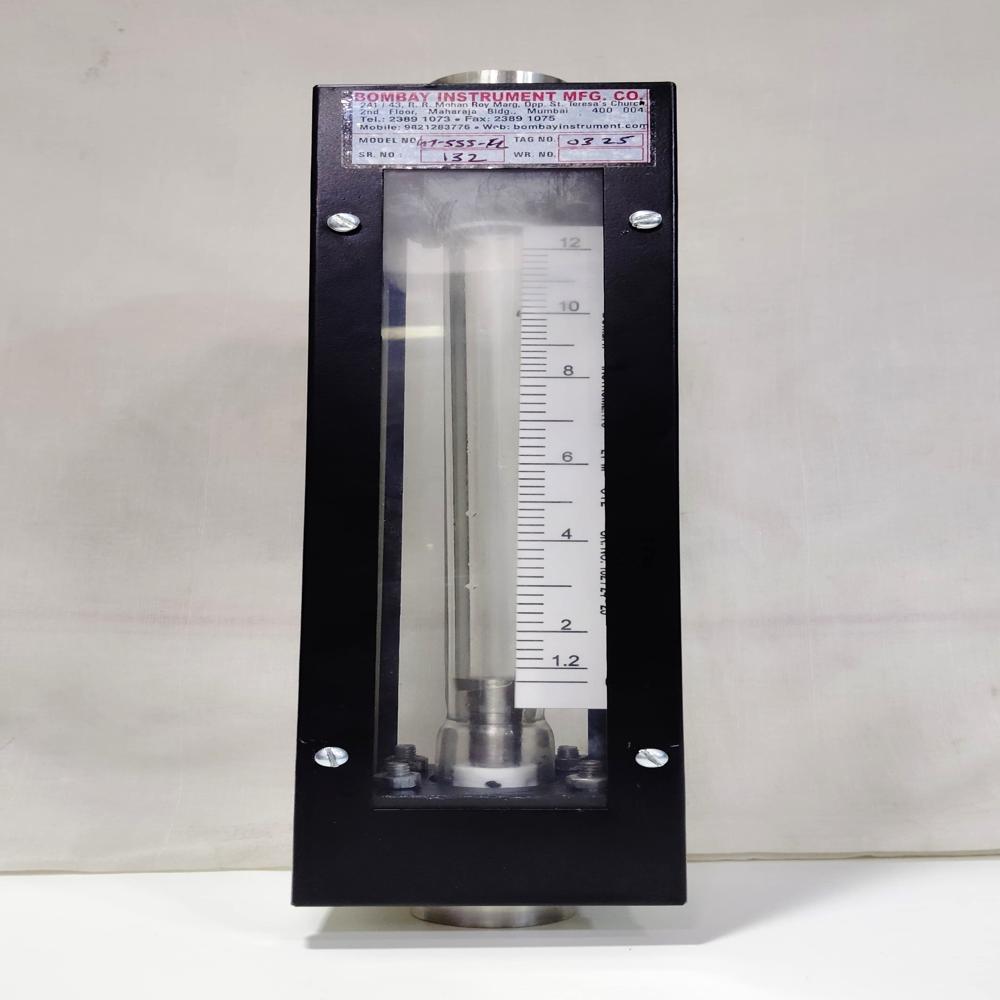
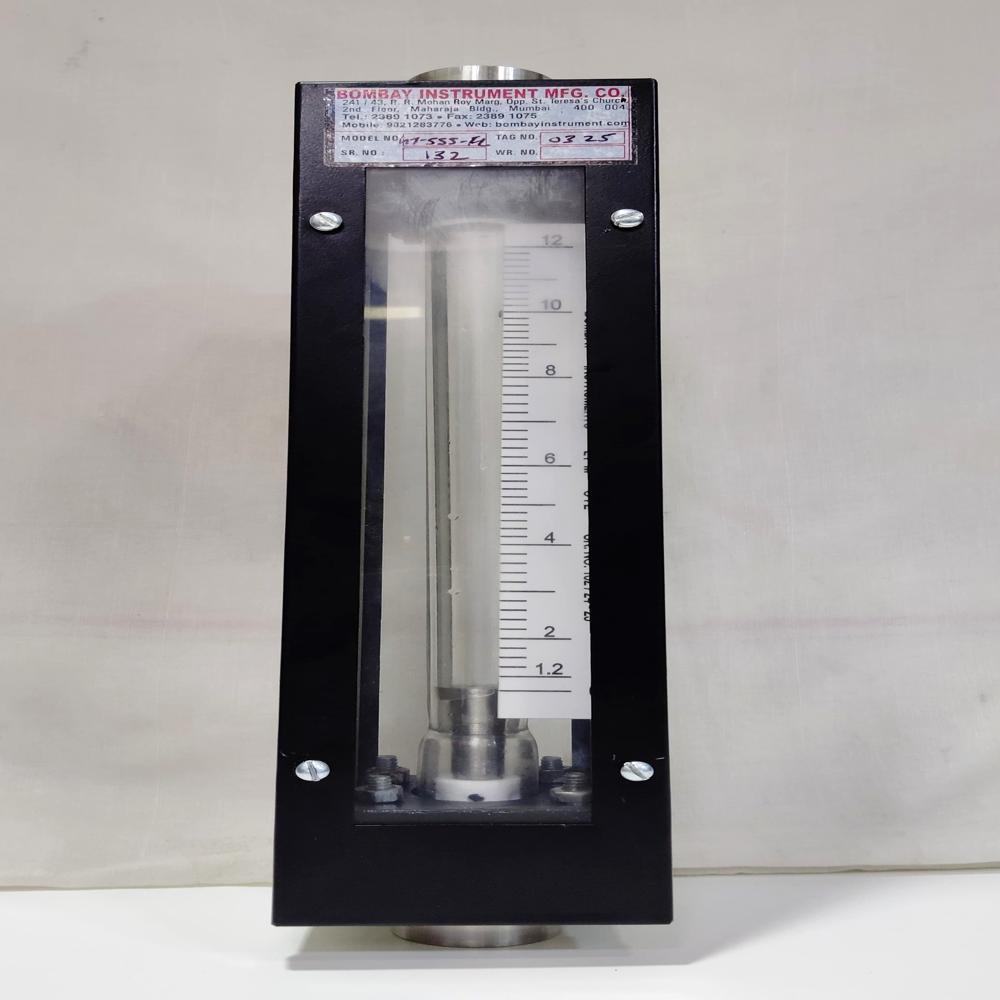
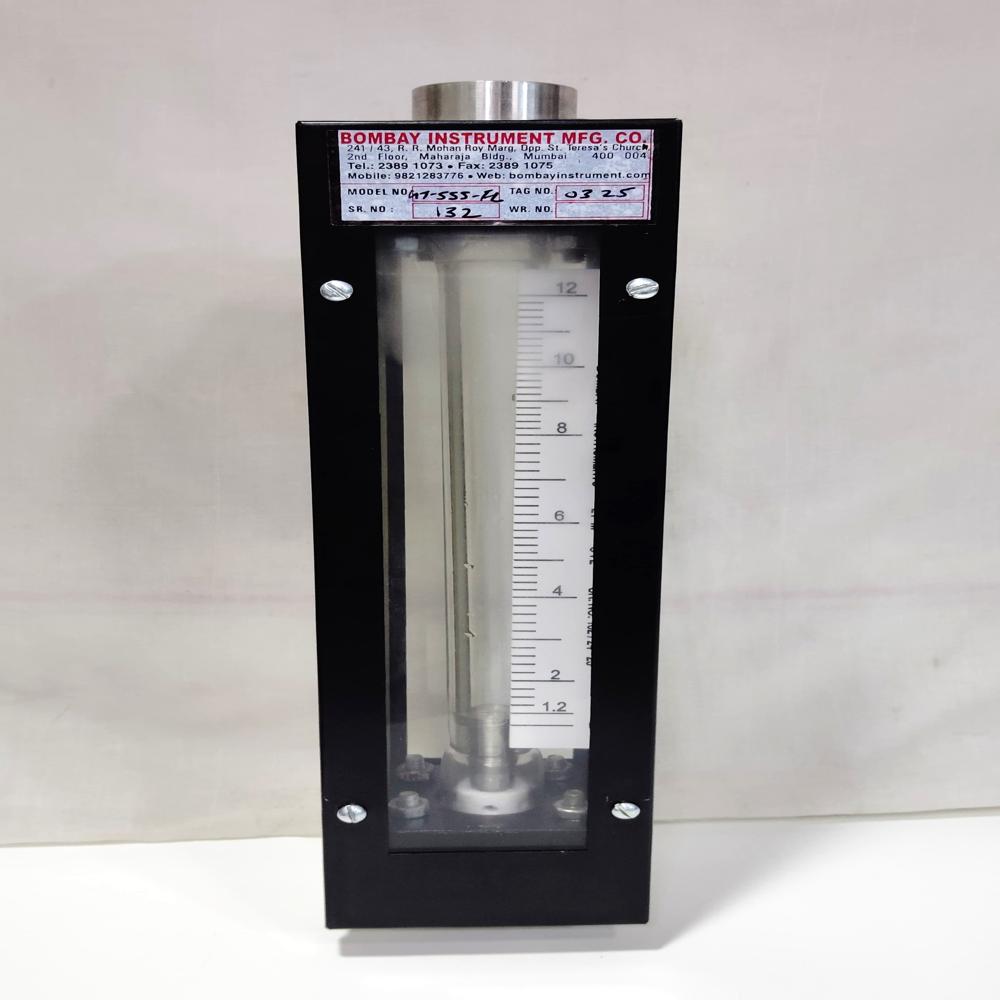
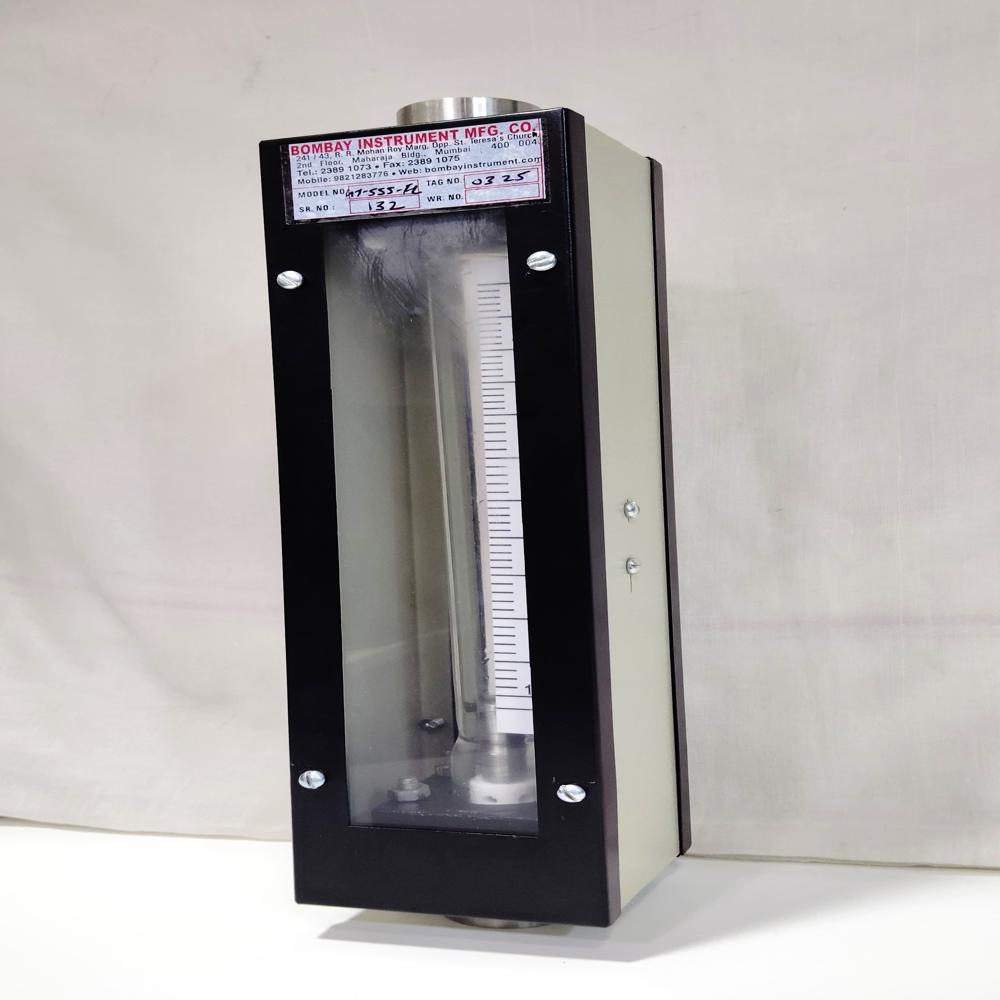
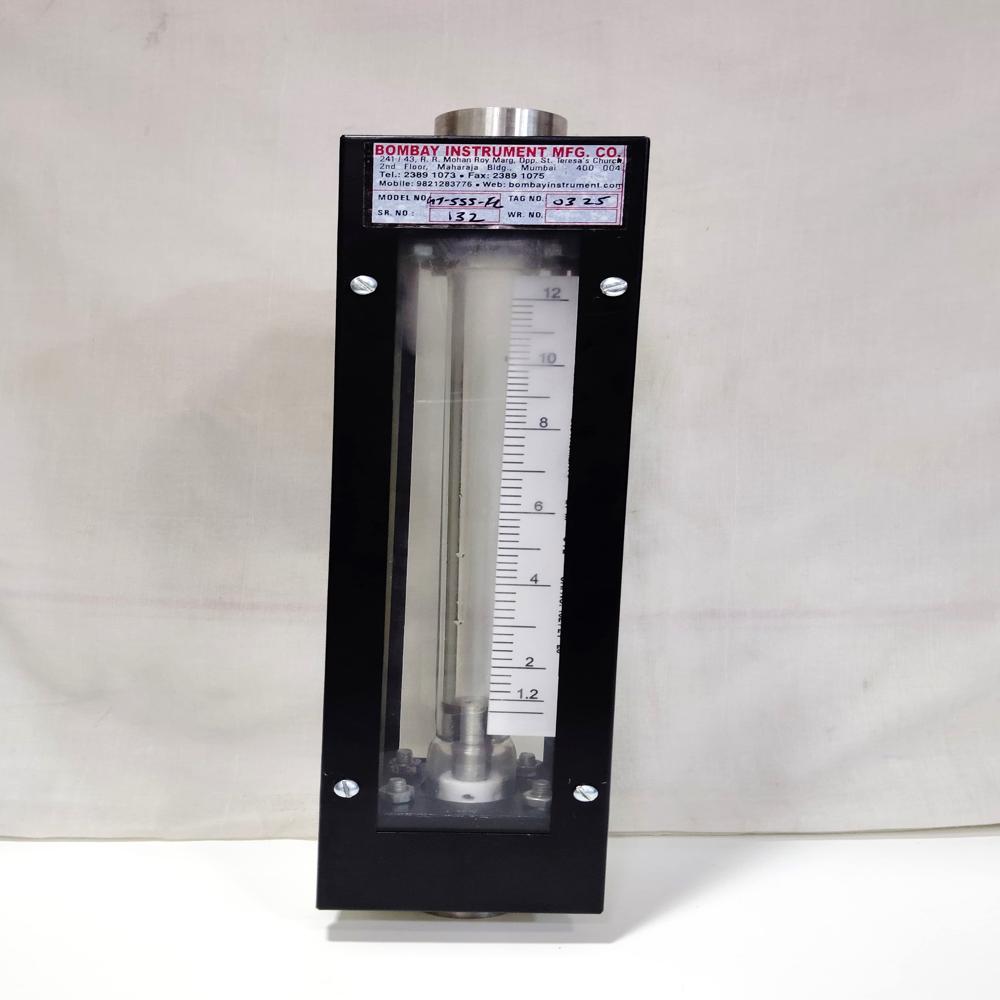

GLASS TUBE ROTAMETER Specification
- Weight
- 1 Liter (Ltr)
- Voltage
- 12 Milliampere (mA)
- Material
- SS304
- Application
- WATER
- Display Type
- NA
- Measuring Range
- 80 Celsius (oC)
- Color
- WHITE
- Power
- 24 Volt (v)
- Specimen Size
- 15 Centimeter (cm)
- Temperature
- 30 Celsius (oC)
- Capacity
- 12 Kg
- Accuracy
- 2 %
- Power Supply
- 24 V DC
- Usage
- MEASURING FLOW
- Machine Weight
- 1 Kilograms (kg)
- Test Speed
- 5 SEC
- Test Width
- 10 Centimeter (cm)
- Test Stroke
- 30
- Control Mode
- MANUAL
GLASS TUBE ROTAMETER Trade Information
- Minimum Order Quantity
- 1 Number
- FOB Port
- MUMBAI
- Payment Terms
- Cash in Advance (CID)
- Supply Ability
- Number
- Delivery Time
- 4 Week
- Sample Policy
- Sample costs shipping and taxes has to be paid by the buyer
- Packaging Details
- BOX PACKING
- Main Export Market(s)
- Asia, Middle East, Africa
- Main Domestic Market
- Maharashtra, All India
- Certifications
- ISO 9001 : 2015
About GLASS TUBE ROTAMETER
A glass tube rotameter is a flow measurement device commonly used to measure the flow rate of liquids and gases in a variety of applications. It consists of a tapered glass tube with a float inside. As fluid passes through the tube, the float rises or falls depending on the flow rate, and the position of the float indicates the flow rate.
Heres a breakdown of how it works and its key features:
1. Design and Components:
-
Glass Tube: The tube is typically made of glass for visibility and durability. It has a tapered design, wider at the bottom and narrower at the top.
-
Float: A free-floating object inside the tube, which rises as the flow rate increases. The float typically has a shape (like a ball or disc) that allows it to move freely and follow the flow of the fluid.
-
Scale: The tube usually has a graduated scale marked along its length. The scale indicates the flow rate based on the position of the float.
2. How It Works:
-
When fluid flows into the bottom of the glass tube, the fluids velocity increases as it moves up the tapered section of the tube.
-
As the fluid velocity increases, it exerts an upward force on the float, causing it to rise. The floats position corresponds to the flow rate.
-
The relationship between the flow rate and the floats position is governed by the balance of forces: the upward force from the fluids velocity and the downward force due to gravity acting on the float.
-
The flow rate is determined by reading the position of the float on the graduated scale.
3. Applications:
-
Glass tube rotameters are used in a wide range of industries, including chemical processing, pharmaceuticals, HVAC (heating, ventilation, and air conditioning), water treatment, and laboratories.
-
They are commonly used to measure the flow of gases or liquids in small to medium flow rates.
4. Advantages:
-
Simple Design: Rotameters are easy to operate, requiring little to no maintenance.
-
Visual Indication: The scale provides a direct visual reading of the flow rate.
-
Wide Application Range: Suitable for a variety of fluids, including water, air, and many other liquids and gases.
5. Limitations:
-
Accuracy: While reliable, glass tube rotameters may not be as precise as digital flow meters, especially for low or high flow rates.
-
Fragility: The glass tube can be fragile, making it unsuitable for some high-risk environments or where vibration is common.
-
Orientation Sensitivity: The device must be installed vertically for accurate measurement.
Accurate Flow Measurement
The Glass Tube Rotameter delivers reliable and precise measurement of water flow, offering an impressive accuracy of 2%. Built with a 15 cm specimen size and accommodating temperatures up to 80C, this device is ideal for a wide range of industrial and laboratory uses. Whether employed in a production line or a research facility, its ability to record consistent readings is a distinct advantage.
Durable and User-Friendly Design
Constructed from SS304 stainless steel with a sturdy glass tube, this rotameter offers resistance to both corrosion and wear. The manual control mode and lightweight build (1 kg) ensure ease of operation and portability. Its compact dimensions allow for effortless integration into existing systems, making it suitable for distributors, exporters, and manufacturers alike.
FAQs of GLASS TUBE ROTAMETER :
Q: How does the Glass Tube Rotameter measure water flow?
A: The Glass Tube Rotameter measures water flow by allowing fluid to pass through a vertically mounted tapered glass tube, where the flow rate is indicated by the position of a float. The rotameter accurately displays the flow rate within a measuring range up to 80C, with a 2% margin of error.Q: What are the typical applications for this rotameter?
A: This rotameter is primarily used for measuring water flow in laboratory analysis, industrial processes, and quality control applications. Its robust build and precision make it suitable for distributors, exporters, importers, manufacturers, suppliers, and traders across different sectors.Q: When should I use this rotameter over other types of flow meters?
A: The Glass Tube Rotameter is ideal when you need a simple, reliable device for visual flow verification of water at moderate temperatures (up to 80C) and where a display is not strictly required. Its manual control and low maintenance needs make it practical for routine and batch operations.Q: Where can the rotameter be installed in a system?
A: The rotameter can be easily integrated into water flow lines within laboratories, manufacturing units, or water processing plants. Its 15 cm size and compact design facilitate convenient installation wherever accurate monitoring is necessary.Q: What is the process for operating the rotameter manually?
A: To operate the rotameter, simply install it in the vertical position, ensure water is flowing through the system, and use the manual control mode to adjust and read the flow based on the floats position inside the tube. No external display or complex setup is required.Q: How does the material SS304 benefit this products performance?
A: SS304 stainless steel provides excellent resistance to corrosion, ensuring longevity even with regular water contact. It also offers superior mechanical strength, protecting the glass tube and maintaining measurement accuracy over time.Q: What are the main benefits of using the Glass Tube Rotameter?
A: Key benefits include precise flow measurement with 2% accuracy, robust construction using SS304 and glass, straightforward manual operation, and adaptability for manifold industrial and research uses. Its lightweight portability further enhances its practicality for diverse applications.
Price:
- 50
- 100
- 200
- 250
- 500
- 1000+

More Products in Glass Tube Rotameter Category
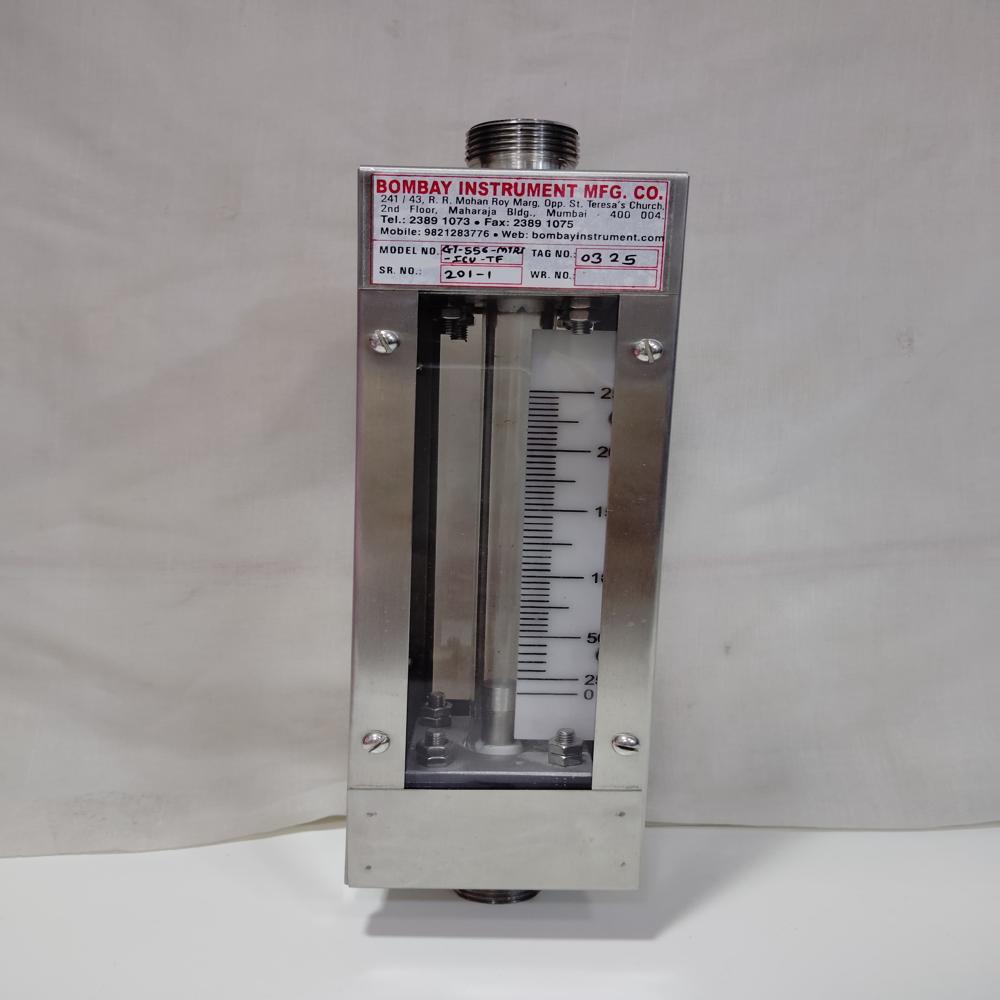
GLASS TUBE ROTAMETER
Price 27500.0 INR / Number
Minimum Order Quantity : 1 Number
Usage : MEASURING FLOW PRESSURE
Temperature : 50 Celsius (oC)
Color : METALIC GREY
Test Range : 0 100
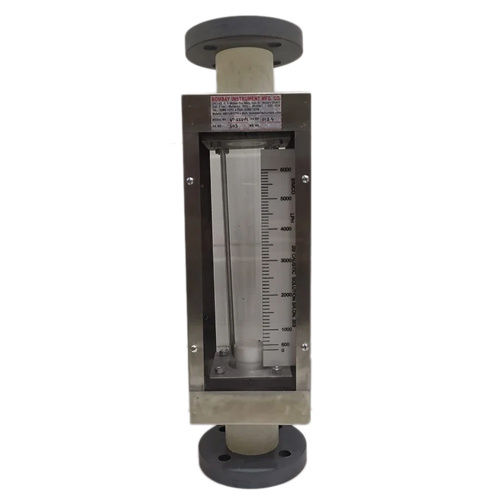
Industrial Glass Tube Rotameter
Price 17950.0 INR / Number
Minimum Order Quantity : 1 Number
Usage : AIR/GAS/WATER
Temperature : 90 Celsius (oC)
Color : gray
Test Range : As per requirement



Contact Details
GST : 27AADPJ5435D1Z0
 Send Inquiry
Mobile : + 91 73043 94768

 |
BOMBAY INSTRUMENTS MFG. CO./ AADESHWAR OVERSEAS
All Rights Reserved.(Terms of Use) Developed and Managed by Infocom Network Private Limited. |
